No place is tornado proof – Essential Safety Reality Checks and Critical Survival Tips for Every Resident
Meteorologists and emergency management officials consistently remind the public that no place is tornado proof, regardless of geographic location or structural fortification. While some regions face higher historical frequencies of severe weather, the unpredictability of atmospheric conditions means that extreme wind events can manifest in unexpected zones at any time.
The Myth of Geographic Immunity
For decades, many residents in non-traditional tornado zones have operated under the assumption that their local terrain or historical weather patterns provided a natural barrier against storms. Data indicates this is a dangerous misconception. Tornadoes have been recorded in every state, including mountainous regions and urban centers once thought to be shielded from catastrophic wind damage.
Why No Place Is Tornado Proof
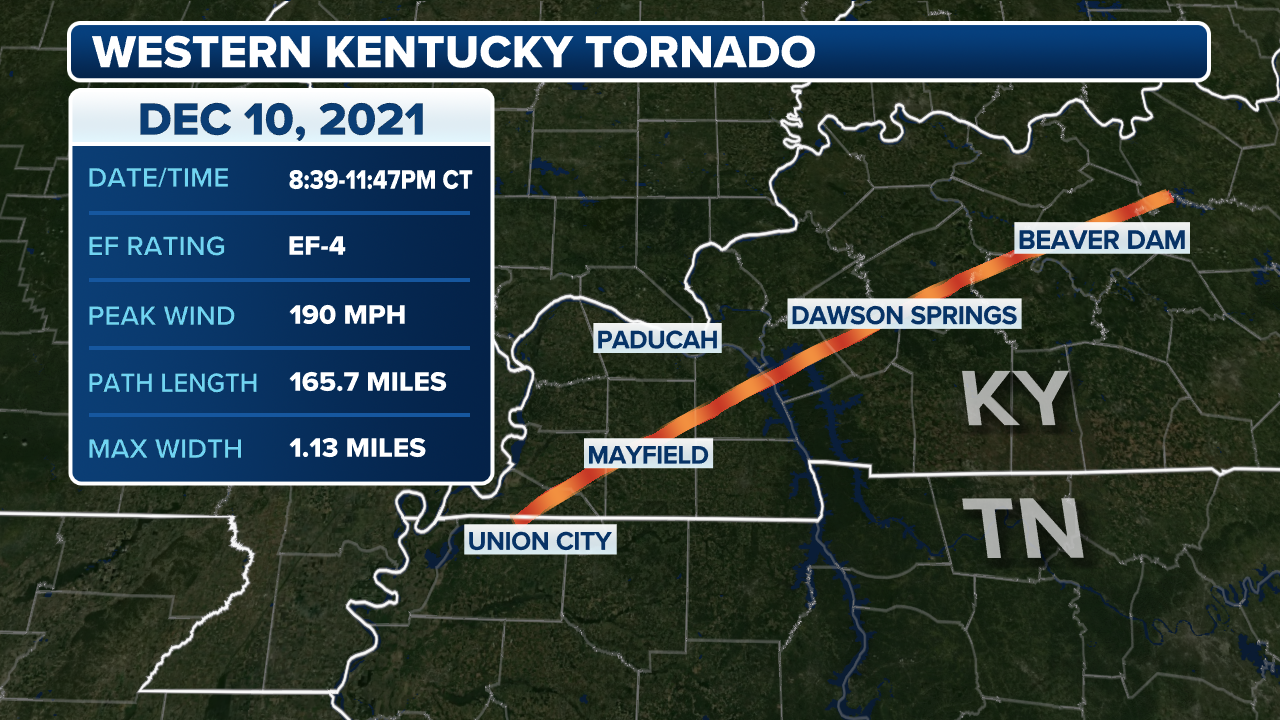
When considering structural integrity, engineers emphasize that even high-standard commercial buildings can sustain catastrophic damage during EF-4 or EF-5 events. Factors contributing to the vulnerability include:
- Proximity to urban heat islands that can influence micro-climates.
- Lack of reinforced subterranean storm shelters in older residential areas.
- The prevalence of debris-prone environments in densely populated suburbs.
Actionable Safety Protocols
Because no place is tornado proof, prioritizing personal safety over property protection is the most effective survival strategy. Every household should maintain a comprehensive emergency plan that includes access to NOAA weather radios and real-time alert systems. When a warning is issued, moving to the lowest level of a building—or an interior room without windows—remains the gold standard for immediate shelter.
The Role of Community Preparedness
Local authorities and emergency responders urge residents to practice drills regularly. Knowing exactly where to go when the sirens activate can save precious seconds. Avoid relying solely on sirens, which are designed for outdoor notification, and ensure your home is equipped with a digital alert system that functions during power outages.
Conclusion on Weather Vigilance
Recognizing that no place is tornado proof empowers individuals to take proactive steps toward disaster readiness. By shifting the focus from structural invulnerability to rapid response planning, communities can significantly mitigate the risks associated with extreme wind events. Stay informed, stay vigilant, and always maintain a plan for the unpredictable nature of severe weather.